The More Gear, the Better Outing Myth
Outdoor gear need not grow with your ambitions. Decide what each item will help you do, and pack for the outing you actually have planned.
Outdoor gear is easiest to manage when you judge it by what you actually do outside. For outdoor gear decisions, the useful question is not whether an item looks essential, but whether it suits your plans, conditions and available space.
Does extra outdoor gear make an outing better?
Only if it improves the outing in a way you care about. A warm layer, a water bottle or a sketching pencil may make a specific plan more comfortable or enjoyable. An item bought because it appears in someone else’s kit may instead add weight, upkeep and clutter.
A short walk to watch clouds, a sketching session on a bench and a birdwatching visit call for different things. Some outings need little beyond suitable clothing; others benefit from a particular tool. A kitchen drawer offers a useful comparison: a tool you can find and use helps, while a jumble of seldom-used gadgets gets in the way.
How can I make better outdoor gear decisions?
Start by describing the outing in plain terms: where you plan to go, what you will do and what conditions you need to account for. Then check whether your current kit meets those needs. This keeps the decision tied to a real plan rather than to an imagined version of your outdoor life.
- Check the activity: If you can name a planned activity, choose equipment that supports it; if not, wait before buying and decide what you want to do first.
- Check the conditions: If the forecast or location calls for an extra layer or other practical item, pack a suitable one; if not, avoid adding it merely from habit.
- Check what you own: If a pencil, scarf or reusable container works for the task, use it; if it does not, consider a more suitable alternative.
- Check the recurring problem: If the same discomfort or difficulty has affected several outings, address that specific issue; if it has not arisen, pause rather than shop for a hypothetical fix.
- Check the carrying and care: If you can comfortably carry, clean and store the item, it may fit your routine; if not, choose a simpler option or leave it behind.
- Check whether you can borrow it: If a friend or local group can lend the item and the activity is safe to try that way, borrow it first; if borrowing is not practical, use an appropriate existing alternative or wait for clearer need.
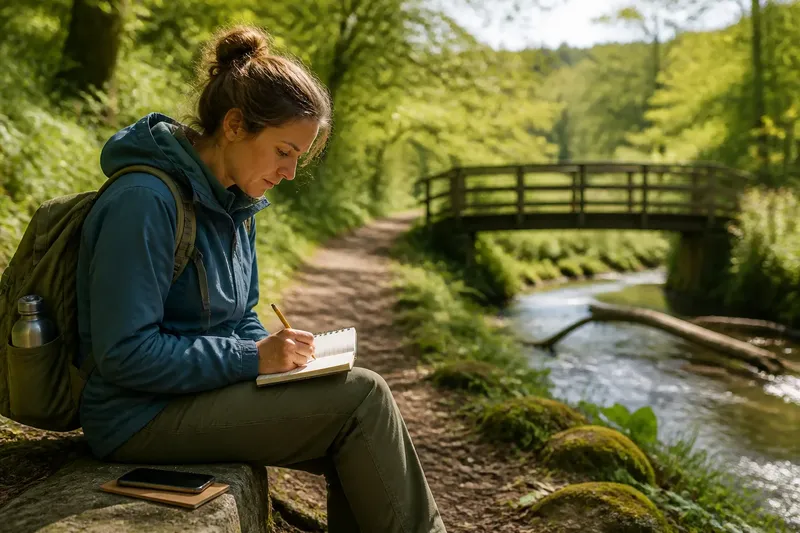
Say you plan an afternoon drawing in a local green space and already have a small pad and pencil. The benches there are often damp, and sitting on them has made it difficult to draw. You ask a friend to lend you a folding stool, take it on that outing, and notice that it gives you a dry place to sit but is awkward to carry alongside your pad. The resulting choice is clear: use the stool when you expect to stay in one place, but leave it at home for a short walk where carrying it would outweigh that benefit.
What basic kit suits a casual outing?
Choose kit according to the activity, location and conditions. Start with suitable clothing and anything needed to meet the practical demands of the outing. Add hobby-specific tools only when they help you do what you intend to do.
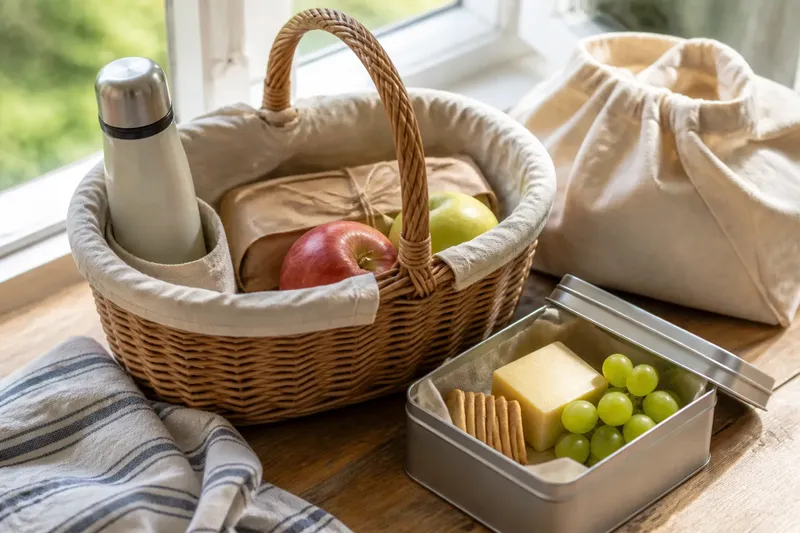
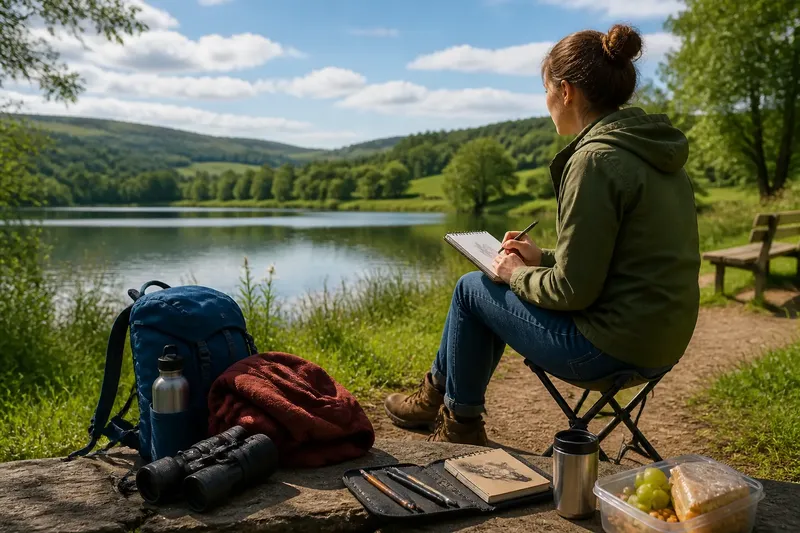
For noticing nature, a bird guide can help with identification, while binoculars can make distant details easier to see. Neither is essential if you would rather listen and observe without equipment. For a sketching session, a pencil and small pad may be easier to carry than a large art set. For a picnic, focus on the food and a suitable way to carry it rather than collecting accessories.
Check manufacturer instructions and local rules where they affect an item’s use. If you are unsure whether particular equipment is suitable for a place or activity, ask the relevant site staff or a qualified professional where appropriate.
Should I buy specialist gear before trying a pastime?
For an activity that does not require specific equipment for safe access, try it in a simple form before buying a full set of specialist gear. A first visit can clarify which parts you enjoy and what, if anything, makes participation difficult.
Borrowing is useful when you are unsure whether you will use an item. You can also adapt something you own, provided it is suitable for the task. Avoid treating a bundled set as the only way to begin: pieces you do not use still need space and care.
If a specific item is necessary for safe participation or access, do not go without it simply to test the activity. Check the relevant instructions and choose equipment suited to the conditions.
How do I tell need from attraction?
Notice the difference between liking an object and wanting the activity it is meant to support. A clever-looking gadget might inspire a new pastime, but its appeal alone does not make it essential.
Ask what you would do differently if you had it. If the answer is unclear, wait until a real need appears. If the item would, for instance, let you read a map more easily or sit comfortably on a particular outing, you have a concrete reason to consider it.
What can I do with outdoor gear I rarely use?
Work out why the item stays unused. It may not suit your usual plans, may be awkward to carry or may belong to a pastime you no longer enjoy. If it serves an occasional activity, store it somewhere easy to find. If a small adjustment would make it usable, try that before replacing it.
If you no longer need it, consider passing it on, selling it or using an appropriate local recycling option. Do not keep an item solely because you once paid for it; decide according to whether it has a place in the outdoor activities you choose now.
What should I ask before adding outdoor gear?
Does it support something I already plan to do?
Name the activity and the task the item would help with. If either is vague, wait until you have a clearer plan before deciding.
Can something I own already do the job?
Check for a suitable item at home or in your existing kit. If it works without creating another problem, use it rather than buying a specialist substitute.
Can I borrow it or try the activity without it?
Borrowing or trying a simple version of the pastime can clarify what you need. If an item is required for safe participation or access, use suitable equipment instead of going without.
Can I carry, care for and store it?
Think about cleaning, upkeep and where the item will live between outings. If those demands do not fit your routine, consider a simpler option or leave it out.
For outdoor gear decisions, let the outing itself set the limits: identify its needs, check what you already have and account for conditions before adding anything. A compact kit that suits your plans is easier to carry and care for than a collection built around outings you may never take.